


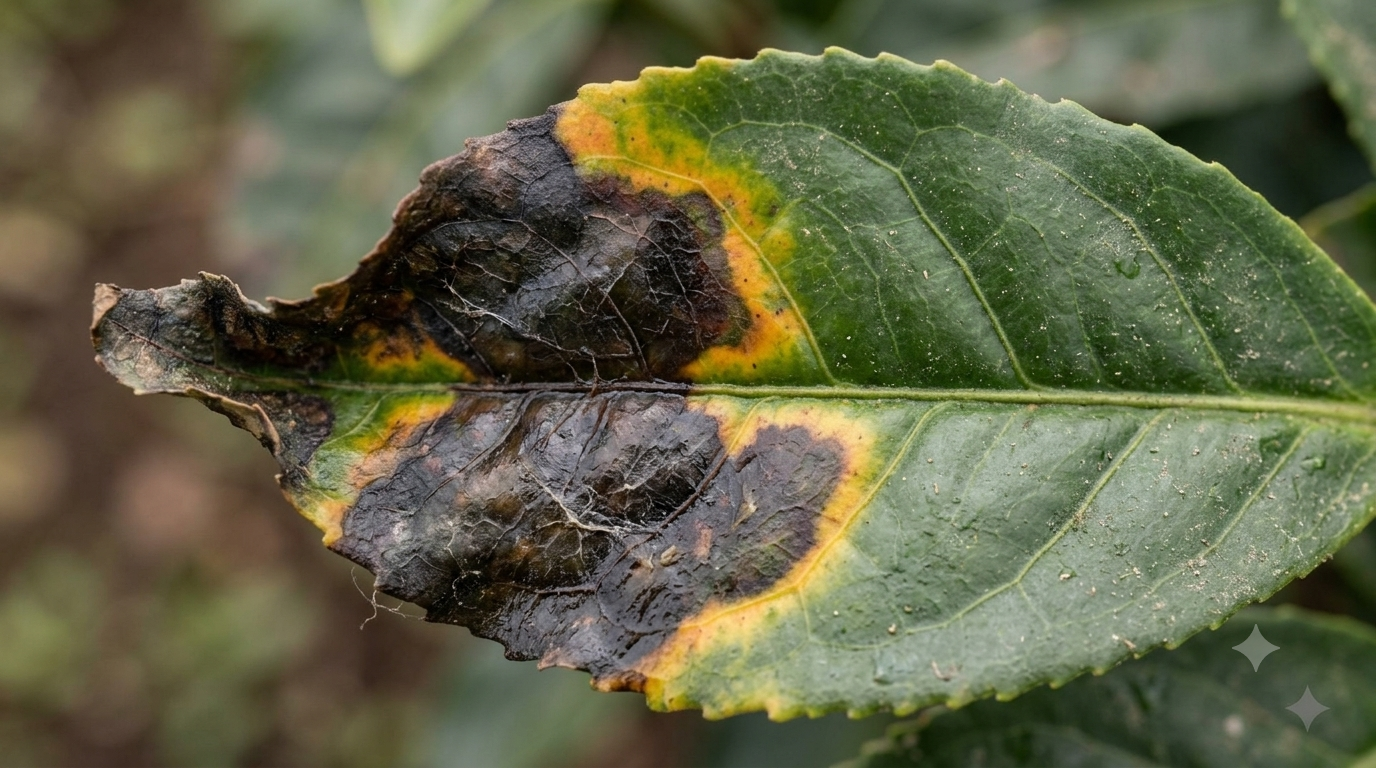
ungicide Guide: How to Identify and Treat the Most Common Crop Diseases
Fungal disease is one of the fastest-moving threats a crop can face. Unlike insect pests, which you can often spot crawling or feeding, fungal pathogens spread invisibly through spores carried by wind, rain, and irrigation — and by the time symptoms are obvious, the infection may already be well established.
The good news: most fungal diseases follow recognizable patterns, and matching the right fungicide to the right disease at the right growth stage can stop an outbreak before it costs you yield. This guide walks through the most common crop diseases, how to identify them, and which type of fungicide fits each situation.
Why Fungal Disease Spreads So Fast
Three conditions almost always precede a major outbreak:
- High humidity or prolonged leaf wetness — spores need moisture to germinate and penetrate plant tissue
- Warm, still air — many fungal pathogens thrive in the same temperature range as active crop growth
- Dense canopy or poor airflow — overcrowded plantings trap moisture and slow drying after rain or irrigation
If your field has experienced any combination of these in the last one to two weeks, it's worth scouting proactively rather than waiting for visible symptoms.
Common Crop Diseases and How to Spot Them
Blight
Appears as dark, water-soaked lesions on leaves and stems that expand rapidly, often with a yellow halo around the affected tissue. Spreads fastest during warm, wet weather and can move through a field within days.
Powdery Mildew
Easy to identify: a white or grey powdery coating on the upper leaf surface, usually starting on older, lower leaves before moving upward. Thrives in humid conditions with moderate temperatures, even without standing water on the leaf.
Rust
Small, raised, rust-colored or orange pustules on the underside of leaves, often visible as a fine powder when brushed. Spreads via windborne spores and can move between fields quickly during favorable weather.
Root and Stem Rot
Harder to catch early since symptoms show below the soil line first — wilting despite adequate watering, stunted growth, and discoloration at the stem base are the visible clues once infection has progressed.
Matching the Fungicide to the Disease
Systemic Fungicides
Absorbed into plant tissue and translocated internally, systemic fungicides protect new growth and can arrest an infection already underway. Metalaxyl 8% + Mancozeb 64% WP is a widely used systemic-contact combination effective against a broad range of blights and downy mildews, offering both preventive coverage and curative action.
Triazole Fungicides
Triazoles like Hexaconazole 5% SC and Propiconazole 10.7% + Tricyclazole 34.2% SE work systemically within the plant and are particularly effective against rust, powdery mildew, and sheath blight. Tricyclazole combinations are especially valued in rice cultivation for controlling blast disease.
Sulphur-Based Combinations
Tebuconazole 10% + Sulphur 65% WG pairs a systemic triazole with sulphur's broad-spectrum contact activity, making it effective against powdery mildew and a range of secondary fungal issues, while sulphur also offers some miticidal benefit.
Contact (Protectant) Fungicides
Applied before infection sets in, contact fungicides form a protective barrier on the leaf surface. They don't move systemically, so coverage and reapplication after rain matter more than with systemic products — but they're a strong first line of defense during high-risk weather windows.
Timing: The Factor That Matters Most
Fungicide effectiveness drops sharply once infection is established. As a general rule:
- Preventive applications — timed just before or at the start of a high-risk weather window — are the most cost-effective use of any fungicide.
- Curative applications work best in the earliest visible stages of infection; waiting until disease has spread across a large percentage of the canopy significantly reduces effectiveness.
- Reapply after heavy rain if using a contact fungicide, since rainfall can wash the protective layer off the leaf surface.
- Rotate fungicide classes across the season to reduce the risk of resistance developing in the pathogen population, especially in high-pressure disease years.
Building a Season-Long Disease Management Plan
A single spray rarely solves a disease problem for the whole season. Instead:
- Scout weekly, especially after humid or rainy periods
- Start preventively in known high-risk windows rather than waiting for symptoms
- Alternate systemic and contact products to balance protection with resistance management
- Keep records of what was applied, when, and how the field responded — this data becomes invaluable for planning next season
Sourcing Reliable Fungicides
Fungicide performance depends heavily on formulation quality and correct active ingredient concentration. At PesticideWorld, every fungicide listing includes clear active ingredient percentages and usage guidance, from systemic options like Metalaxyl + Mancozeb to triazole combinations like Propiconazole + Tricyclazole. Browse the full fungicide range or contact our team for help matching a product to the disease pressure you're seeing in your fields.
Final Thoughts
Fungal disease management comes down to two things: catching problems early and matching the product to both the pathogen and the timing. A preventive mindset — scouting regularly, watching weather windows, and rotating fungicide classes — will consistently protect yield better than reacting after an outbreak has already taken hold.
Not sure which disease you're dealing with? Reach out to PesticideWorld for guidance tailored to your crop and region.